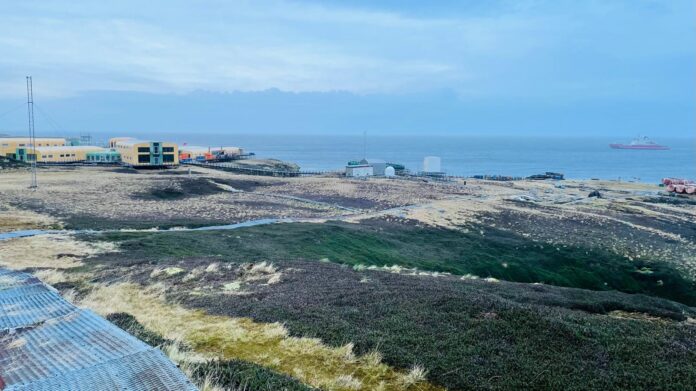
The successful Marion Island base reactivation by the M83 team aboard the S.A. Agulhas II marks a major milestone for South Africa’s polar research program following the evacuation of the previous team earlier this year. Situated in the Southern Ocean, this remote base serves as a crucial hub for South African scientific operations in the region.
Following a short delay caused by the late arrival of helicopters, the S.A. Agulhas II set off from Cape Town on 5 August 2026, after a departure ceremony attended by Minister of Forestry, Fisheries and the Environment, David Maynier. The vessel arrived at Marion Island on 9 August 2026 to begin initial base inspections.
On 10 August 2026, a 32-member team—which includes 20 personnel from the Department of Public Works and Infrastructure (DPWI)—landed on the island to begin base reactivation. The team is transferring required equipment and cargo for base repairs and restocking via helicopter from the ship to the island.
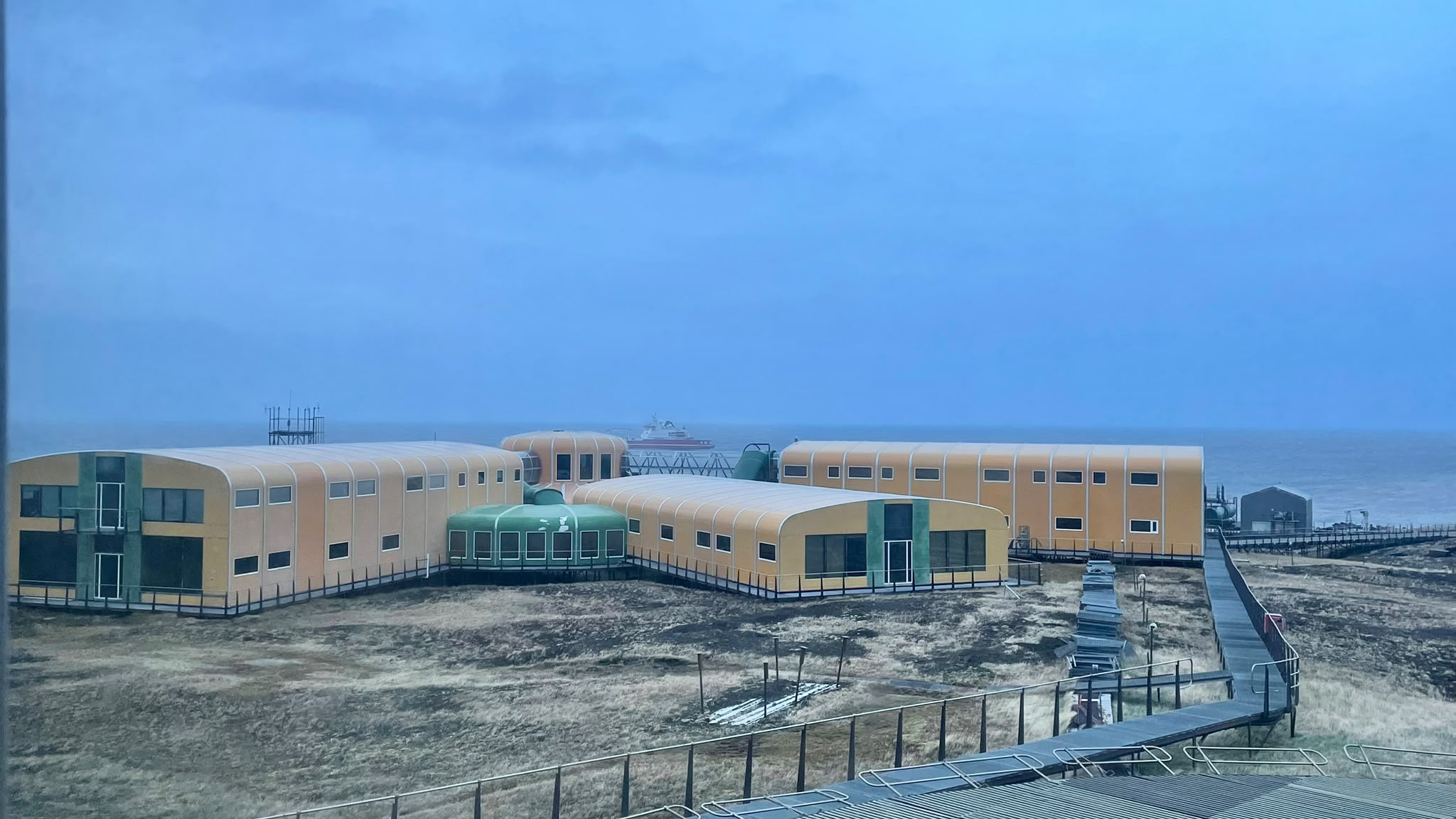
Minister Maynier highlighted the technical nature of the mission, stating:
“The team on Marion Island has made great progress in getting the base up and running again, through careful coordination and cooperation from all stakeholders. While there is still much work to be done, the efficient redeployment of the Marion Island team bodes well for the future of our research programme in the region.”
Cargo offloading will continue over the coming week. Barring any delays, the official takeover function—where the base is formally handed over to the M83 team—is scheduled for 25 August 2026.
Beyond the technical logistics of the redeployment, returning to Marion Island holds key scientific and geopolitical importance for South Africa.
1. Direct Impact on Climate and Economy
As Minister Maynier emphasized, the Southern Ocean directly affects South Africa’s climate, which in turn influences national security and the economy. Collecting data from Marion Island helps scientists better understand marine and meteorological changes that drive weather patterns across the country.
2. Regional Leadership in Research
Maintaining an active operational base ensures South Africa retains its position as Africa’s leader in Southern Ocean and Antarctic research. Careful management of facilities on Marion Island and in Antarctica allows South Africa to contribute vital scientific insights to the global community.
As the offloading process continues, the M83 team prepares to resume full operations, ensuring South Africa’s scientific work in the sub-Antarctic remains on track.