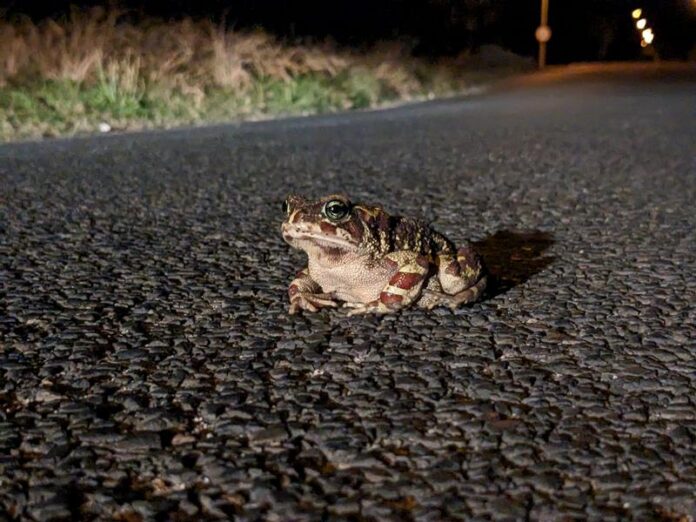
As winter rains soak the Cape Peninsula, an extraordinary and perilous journey is unfolding across local neighbourhoods. The Two Oceans Aquarium is urging all motorists to stay vigilant on the roads, especially after dark, as endangered Western Leopard Toads begin their annual breeding migration.
Every year between late July and September—peaking in August—these fascinating amphibians leave the safety of suburban gardens and trek toward wetlands and breeding ponds. For a creature just a few inches long, it is a massive undertaking. Some toads travel up to five kilometres to reach their destination. Unfortunately, their ancient routes now intersect with busy suburban streets, turning a natural instinct into a deadly gamble.
A Perilous Journey Across Suburban Roads
Navigating modern urban landscapes poses a severe threat to the species. With heavy traffic and reduced visibility at night, hundreds of toads face life-threatening hazards every season.
“The Western leopard toads’ migration is fraught with danger, as the toads must navigate suburban roads at night,” explains Helen Lockhart, Conservation and Sustainability Manager at the Two Oceans Aquarium. “Some toads will travel up to five kilometres to get to their breeding grounds, but many lose their lives on the roads. In an interaction between a toad and a car, the toad always comes off second best.”
The migration relies heavily on weather conditions, usually kicking into high gear right after heavy rainfall. Key movement hotspots across the Peninsula include:
- Southern Suburbs & Constantia Valley: Kirstenhof, Tokai, Constantia, Orchard Village, and Norfolk Park
- False Bay Coastal Belt: Lakeside, Muizenberg, and Noordhoek
- Wetlands: Zeekoevlei, Rondevlei, and Grassy Park
How to Spot and Rescue Migrating Toads
For drivers traveling through these areas at night, extra caution can mean the difference between life and death for a toad. Interestingly, toads do not always look like obvious animals under streetlights. In the glow of headlights, their pale bellies and patterned backs can easily be mistaken for small, pale stones resting on the asphalt.
If you encounter a toad while driving, Lockhart offers simple, life-saving advice:
“Pull over safely, gently pick up the toad, and move it to the other side of the road in the direction it was facing. The toads know exactly where they are going, so you don’t have to figure it out for them.”
Driving slowly through designated hotspot areas not only keeps human commuters safe, but also protects these essential local creatures.
A Uniquely Capetonian Species Worth Protecting
The Western Leopard Toad is strictly endemic to the coastal lowlands of the Western Cape, meaning they exist nowhere else on Earth. Once the pioneering males reach the water, they initiate loud, distinctive “snoring” calls to attract females—a unique auditory signpost of a Cape Peninsula late winter.
Protecting them is not just about conservation; it directly benefits local communities. As natural pest controllers, a healthy toad population keeps local numbers of mosquitoes, cockroaches, and garden insects in check.
Get Involved: Patrols and Volunteering
Preserving this uniquely local species requires a collective effort. Local volunteer coordinators work tirelessly each season, but extra hands are always needed to patrol streets, collect data, and help toads cross safely.
To join a night patrol or learn more about protecting toads in your neighborhood, contact the volunteer network at [email protected]. By slowing down and sharing the road, Capetonians can ensure these iconic amphibians survive for generations to come.