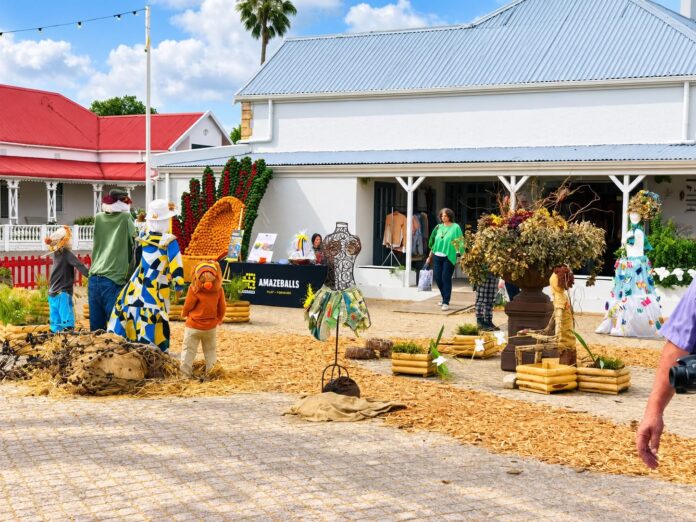
What began as a focused exhibition to host South Africa’s award-winning RHS Chelsea Flower Show installation blossomed into a total takeover of Stanford. From 12 to 27 September, the historical Overberg village transformed into a living, sixteen-day spring festival celebrating South Africa’s rich botanical heritage.
In its third year, Stanford in Bloom reached every corner of the community. The Flower Building on Queen Victoria Street remained the anchor, housing designers Leon Kluge and Tristan Woudberg’s London gold-medal-winning exhibit, Life After Fire. However, the festival’s footprint spanned the entire town:
Village-Wide Stages: The historic NG Kerk hosted grand orchestral performances alongside designer talks, while local spots like the Leivoor Lounge brought South African music legends to intimate stages.
Central Hub: The central Village Green turned into a vibrant market featuring craft vendors, plant nurseries, and interactive cooking masterclasses at the Klein River Cheese Demo Kitchen.
Living Canvas: Local art galleries, open private gardens, and walking trails along the Klein River linked together, connecting visitors directly with the surrounding fynbos ecosystem.
What One Event Accomplished for a Small Town
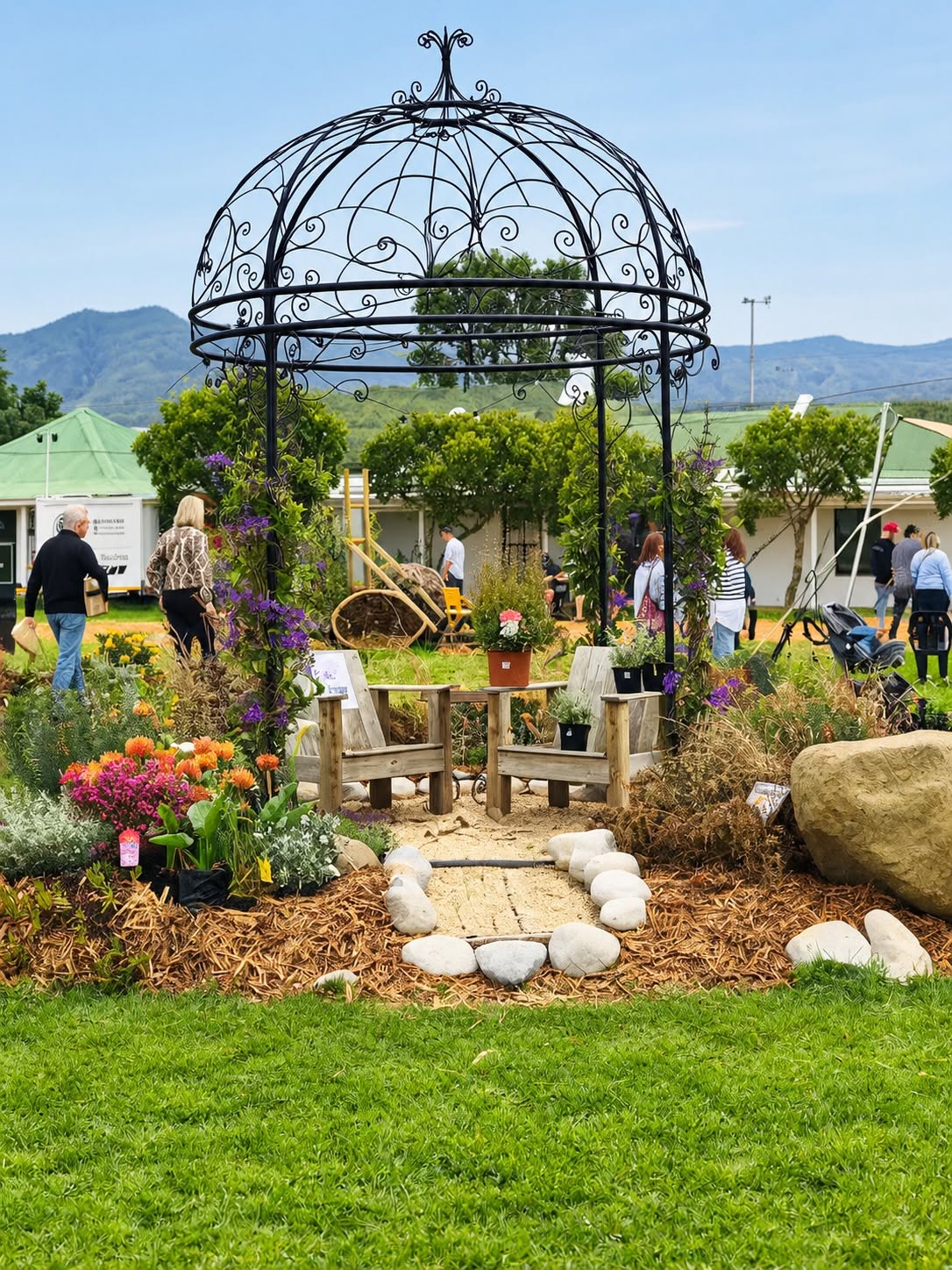
The evolution of Stanford in Bloom demonstrated the transformative power of a single annual event on a rural community. Beyond creating a temporary tourism spike, the village-wide takeover drove tangible long-term benefits:
Economic Vitality: Local guesthouses, restaurants, shops, and craft vendors experienced peak seasonal revenue, injecting crucial capital directly into the regional micro-economy.
Community Cohesion: Neighboring businesses, local artists, and residents united around a shared cultural identity, fostering civic pride and collaboration.
Conservation Impact: Ticket sales directly supported the Grootbos Foundation. This ensured that tourist activity translated into immediate funding for fynbos conservation and social development projects across rural communities.
Ultimately, the growth of Stanford in Bloom proved that a small town does not need to compromise its heritage to achieve world-class distinction. By allowing a single floral display to expand into a village-wide celebration, Stanford created a sustainable blueprint for rural tourism. The festival leaves behind more than just fond memories of a vibrant spring season; it reinforces a community’s identity, protects the fragile fynbos landscape for generations to come, and confirms that when an entire town blooms together, the impact reaches far beyond its borders.