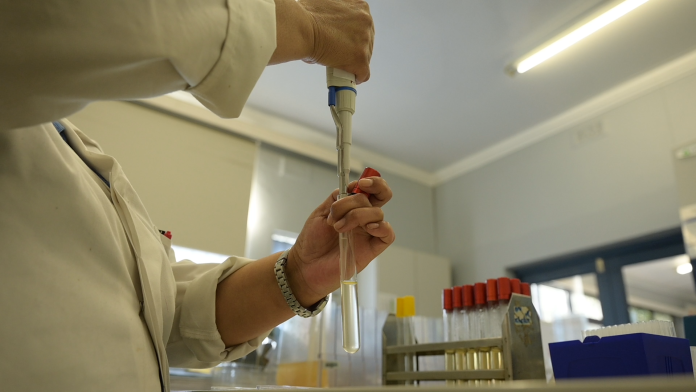
City Health’s Food Microbiological Laboratory and Environmental Health Practitioners (EHPs) are frontline defenders against foodborne illnesses. The laboratory allows the City to have an extensive bacterial sampling programme of food sold across the metropole.
How the Laboratory Works to Protect Public Health
Tests are conducted generally on ready to eat products, dairy products and even sushi and baked goods – the laboratory also conducts testing of samples in cases of foodborne illnesses. Environmental Health Practitioners (EHPs) collect samples from a range of food handling, production and processing environments, from manufacturers to retailers and takeaways, premises like ECDs and old age homes, and even informal traders and spaza shops.
This testing is essential for identifying unhygienic conditions, poor food handling practices and possible contamination to prevent potential outbreaks. Over a 10-month period since July 2024, the laboratory received 4 853 samples that were subjected to 17 759 analyses. The sample results yielded an overall compliance rate of 84,55%.
Foodborne Illness Trends and Contributing Factors
From July 2022 to April 2025, a steady increase has been reported in foodborne illness in the city. ‘As Covid-19 restrictions eased, there was a return to normal food handling, dining, and social behaviours. This may have led to increased exposure to foodborne pathogens and a rebound in reported cases. The increase in notifications, especially in 2024, may also reflect better detection, reporting, and surveillance systems as public health operations normalised post-pandemic, contributing to improved surveillance and reporting.
‘However, as the underreporting of foodborne illness in South Africa is known to be extensive, the actual incidence is likely to be far higher, which reinforces the need for regular testing of foodstuffs in the public domain,’ said Mayoral Committee Member for Community Services and Health, Councillor Francine Higham.
The Food Microbiological Laboratory provides the scientific evidence necessary to uphold food safety standards, support public health policies, and enable safe food trade and consumption. The EHPs translate laboratory findings into practical food safety measures, ranging from education and awareness to corrective actions in cases of continued non-compliance.
The City strives to foster a culture of food safety, by empowering communities to make informed decisions that protect their health.
Five Keys to Safer Food: WHO Guidelines
Key actions to promote food safety include the World Health Organisation’s five keys to safer food:
- Keep clean: Wash hands, surfaces, and utensils before and during food preparation.
- Separate raw and cooked: Use separate equipment for raw meats and other foods to prevent cross-contamination.
- Cook thoroughly: Ensure foods reach safe internal temperatures (at least 70°C for most meats).
- Keep food at safe temperatures: Refrigerate perishable foods promptly; do not leave food at room temperature for extended periods. Avoid the danger zone of five to 60 °C. The danger zone is the temperature range in which food-borne bacteria can grow, multiply and cause infection or release toxins.
- Use safe water and raw materials: Select fresh, wholesome foods and wash fruits and vegetables thoroughly in clean water.
Food safety is everyone’s business and by following these key actions, you help protect your family and your clients, if you are a food handling business.
Members of the public who have any concerns around food safety can contact the City’s Customer Call Centre on 0860 103 089, or online at https://www.capetown.gov.za/servicerequests by selecting the food safety option linked to the City Health Department.
Alternatively, you can contact your nearest Environmental Health Office or a City clinic or healthcare facility
The City encourages businesses to apply for a COA, which is free of charge, by registering as a Business Partner on the City’s e-Services portal, where applications can be made online under the Environmental Health Services link. capetown.gov.za/City-Connect/Apply/Licences-and-permits/Business-and-trade/Apply-for-a-certificate-of-acceptability
For more information on food safety, visit the City’s website: https://www.capetown.gov.za/general/food-safety