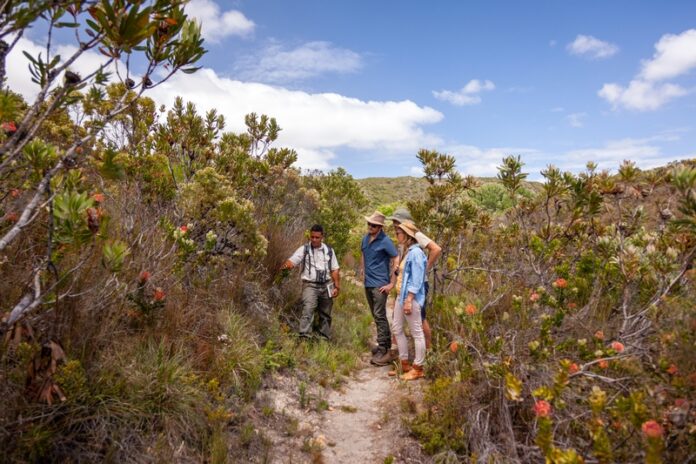
As the lingering chill of winter softens and spring bridges the way into summer, the Western Cape turns its focus outward. It is a fleeting season of renewal—a time to reconnect with nature, step into our gardens, and embrace the outdoors before the heat of summer takes hold. From regional flower shows to sustainable living habits, nature’s influence on our daily well-being and local culture has never been more evident.
Bridging the Seasons Through Outdoor Living
As we prepare for warmer, drier summer months, this spring interlude offers the perfect opportunity to slow down and cultivate mindful outdoor habits. As National Garden Day approaches on 18 October, communities across the country are embracing water-wise gardening, planting indigenous flora, and discovering how green spaces boost both mental and physical health. Beyond personal well-being, many are turning their passion for nature into sustainable livelihoods—offering guided botanical trails, artisanal products, and eco-friendly hospitality.
While our native flora recently made international headlines—celebrated by France’s Monnaie de Paris on a commemorative UNESCO World Heritage coin—its true value is felt much closer to home. The real magic of this season unfolds right in our backyards and regional landscapes.
Over the past weeks, communities across the Overberg gathered to celebrate local biodiversity. The NAMPO Cape Fynbos Exhibition in Bredasdorp brought botanical art into sharp focus, while Stanford in Bloom transformed an entire historical village into a sixteen-day celebration of ecological resilience. Further along the coast, nature lovers celebrated the reopening of Bontebok National Park following flood restorations, while the De Hoop Collection launched an interactive walking display tracing 4.6 billion years of Earth’s history.
Redefining Property Through Eco-Restorative Design
Parallel to these regional celebrations and conservation milestones, the way we build and inhabit our landscapes is undergoing its own transformation. Modern property developments across the Western Cape are moving away from high-impact footprints toward eco-restorative design. Whether in urban nodes, coastal estates like Benguela Cove along Walker Bay, or vast wilderness biomes like Gondwana Game Reserve, contemporary developers are embedding conservation directly into their blueprints. By restoring indigenous fynbos corridors, creating bio-swale wetlands for local fauna, and upholding strict stewardship standards—such as WWF Conservation Champion criteria—these living spaces demonstrate that residential growth and ecosystem preservation can thrive hand in hand.
As the blossoms fade and the long, sunny days of summer approach, the message of this spring season remains clear: our relationship with nature isn’t just seasonal, it’s foundational. By supporting local events, protecting native ecosystems, and tending to our own green spaces, we help ensure that the rich natural heritage of the Western Cape continues to thrive—now and for generations to come.