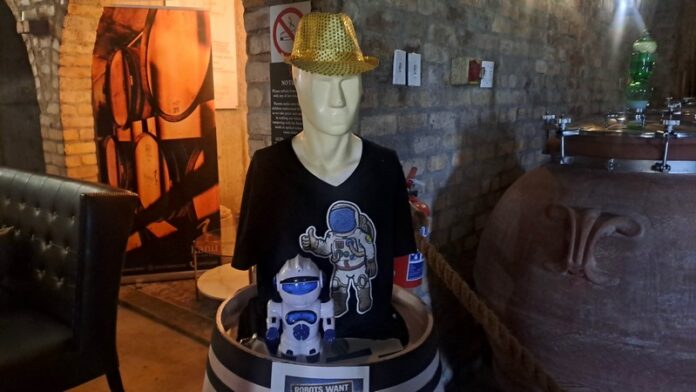
While the world debates the rise of robots, the Western Cape is busy building a roadmap for them. On 15 April 2026, against the tranquil, autumn backdrop of Kanu Wine Farm in Stellenbosch, a group of the province’s most influential educators gathered for a summit that will soon echo in every classroom from the Atlantic Seaboard to the Garden Route.
The host of the Mini-Conference was Cobus Germishuys, the “living heart” of Kanu Wines. For Germishuys, hosting the event at Kanu was a natural fit: “It’s about fermented tradition meeting fermented ideas—a place where the community gathers to toast to the future.” His presence ensured the high-stakes discussion remained grounded in the warmth and hospitality for which the Cape is famous.
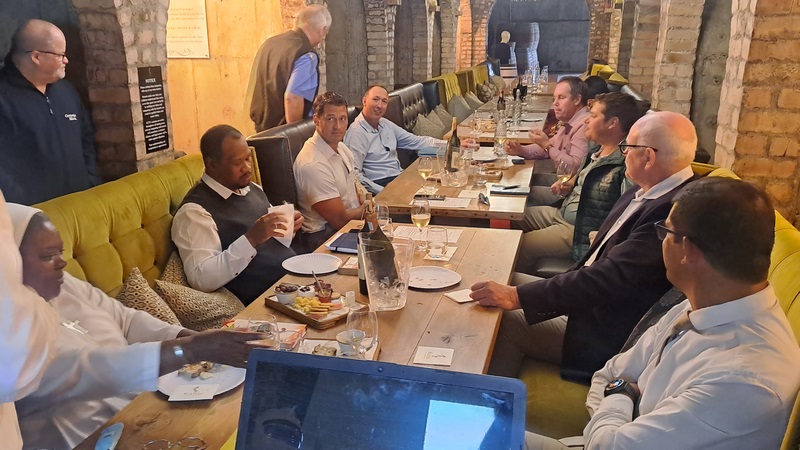
The Minister’s Mandate
Central to the day’s urgency was the national agenda championed by the Minister of Communications and Digital Technologies, Solly Malatsi. A leader with deep roots in Western Cape governance, Minister Malatsi has positioned this new era as a “starting point, not a finished product.” His department is currently spearheading a nationwide drive for public input, inviting school leaders to move from being passive consumers of technology to active designers of a digital destiny rooted in South African values.
A Blueprint for 2027
The event, “Leading and Teaching in a New AI-Dominant Education Metaverse (2026–2030),” comes at a critical time. Keynote speaker Prof C D Jacobs (DEd, PhD) dropped a major update: South Africa’s Draft National AI Policy was officially approved by Cabinet on 25 March 2026.
For parents and educators, this is a “ticking clock” moment. With full implementation hitting schools in 2027 and 2028, the public has until June 10, 2026, to provide comments. This is a rare window to ensure AI doesn’t just “happen” to our children, but is designed to serve them.
Strategies for the New Frontier
The conference provided principals with a sustainable AI Master Plan—a practical pathway to transform teaching and governance. By focusing on visionary leadership rather than just gadgets, the session addressed the urgent need for compliant, future-ready schools. Prof Jacobs positions principals as “Chief Architects” who will oversee these environments, ensuring that technology enhances professional judgment rather than replacing human connection.
To safeguard this transition, the 2026 policy highlights the proposed AI Ethics Board and AI Ombudsperson. This “safety net” ensures that AI-driven decisions remain contestable and ethically grounded.
From the Stars to the Soil
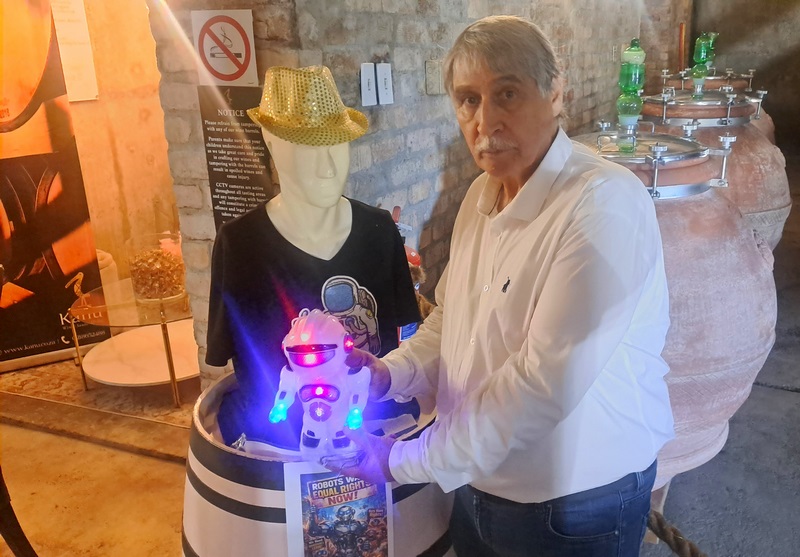
The event also honored a titan of provincial innovation, Dr. Sias Mostert. A space industry pioneer who helped launch the SunSat program, Dr. Mostert has spent decades proving that high-tech advancement must go hand-in-hand with human dignity and opportunity.
Why it Matters
This conference was a signal: the Western Cape is steering the ship. By anchoring AI in ethical frameworks now, our schools are preparing the Class of 2030 to be leaders, not just users. As the June 10 deadline approaches, the message from Kanu is simple: The AI revolution is here. It’s time for us to decide how we want it to look.