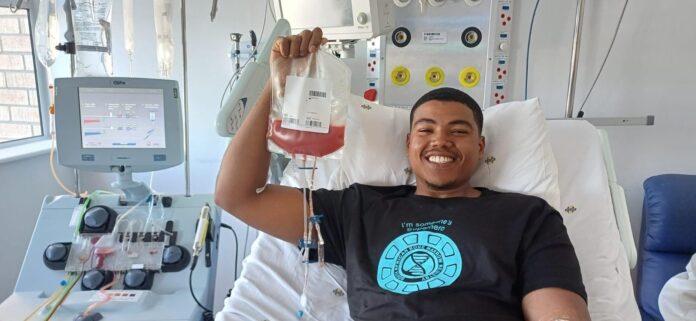
Despite access to nearly 43 million stem cell donors worldwide through the World Marrow Donor Association (WMDA), a recent trend report reveals that donor traceability remains a major barrier to transplant. In 2023 alone, 50% of registered donors had to be removed from the global database because they could not be contacted. This alarming statistic undermines lifesaving treatments for patients with severe blood disorders who depend on matched stem cell donors.
The South African Context
Locally, the South African Bone Marrow Registry (SABMR) echoes this concern. In South Africa, 11% of registered donors could not be reached—an obstacle that can mean the difference between life and death. The odds of finding a suitably matched donor are already only 1 in 100,000, and for patients from diverse or mixed ethnic backgrounds, the chances are even slimmer due to genetic complexity. Every donor therefore plays a critical role in the survival prospects of patients awaiting transplants.
Why Matches Are So Difficult to Find
Stem cell matching depends on Human Leukocyte Antigen (HLA) typing, a highly complex genetic process. While patients have about a 30% chance of finding a match within their immediate family, the remaining 70% must rely on unrelated donors. The success of this system depends on large, diverse, and committed donor registries. When donors become unreachable, patients’ chances decline dramatically.
Barriers to Donor Retention
Several factors contribute to the removal of donors from the registry, including medical conditions, age, emigration, and personal withdrawal. Donors retire from the database at age 61, as younger donors provide better outcomes. Others may withdraw due to changing circumstances or family discouragement. However, the largest and most preventable cause remains outdated contact details.
Deputy Director of the SABMR, Jane Ward, stresses that becoming a donor requires commitment: “Once someone signs up, lives quite literally hang in the balance. If a matched donor cannot be reached, there is no guarantee another suitable match will be found.”
Efforts to Strengthen Commitment
To address this crisis, the SABMR is launching a campaign to boost donor retention and education. This will include:
- Ongoing engagement to stress the importance of stem cell donation.
- Annual anniversary surveys to confirm donor commitment.
- Post-drive recommitment questionnaires for new donors.
Ward also highlights the need to encourage younger donors, as they represent the future of the registry. “We recognise that our database is over 30 years old. Younger donors increase the likelihood of successful transplants, giving patients and families the gift of a second chance at life.”
A Call to Action
The SABMR urges all registered donors to keep their contact details updated and to remain committed to their decision. Patients with life-threatening blood disorders often depend on strangers for survival, making every donor indispensable. By staying connected and informed, donors can play a direct role in saving lives.