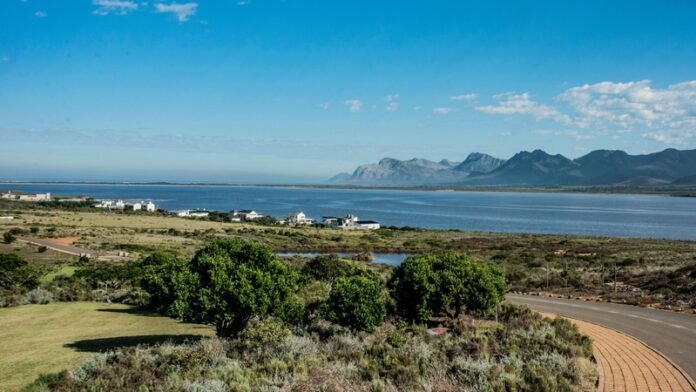
The Cape Floral Kingdom is one of six recognized floral kingdoms in the world. Five of them span vast continents and entire hemispheres—from the Boreal kingdom stretching across Europe and North America to the Neotropical, Paleotropical, Australian, and Antarctic kingdoms. The sixth is the Cape Floral Kingdom. Running along a narrow coastal strip in the Western Cape between Cape Town and the Eastern Cape, it is smaller than the Republic of Ireland.
Despite occupying roughly 0.04% of the Earth’s surface, it contains close to 20% of all African plant species. Its defining vegetation—fynbos—holds a higher concentration of endemic plants than almost any other region of comparable size, including the Amazon.
In a guide on sustainable estate ownership, Benguela Cove entrepreneur and vineyard owner Penny Streeter OBE highlights what it truly means to buy luxury property within or adjacent to this fragile environment.
The Responsibility of Land Stewardship
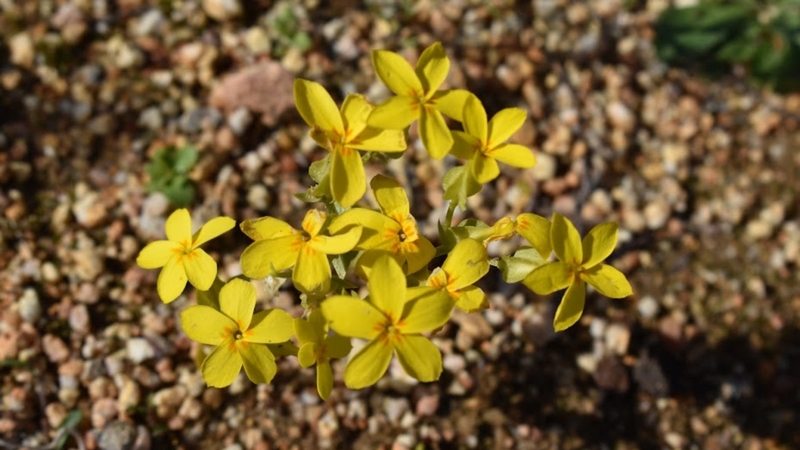
As Streeter points out, most luxury property across Hermanus, Stellenbosch, Constantia, Franschhoek, and the Cape Winelands sits directly inside or alongside fynbos habitat. With less than 10% of original lowland fynbos remaining—and much of that fragmented—privately owned estates now function as vital conservation infrastructure connecting fragmented habitats.
Streeter outlines key markers that buyers should look for in an environmentally responsible estate:
Independent Credentials: Authentic conservation operations hold verified benchmarks like the WWF Conservation Champions designation or Travelife sustainability certification rather than relying on unverified claims.
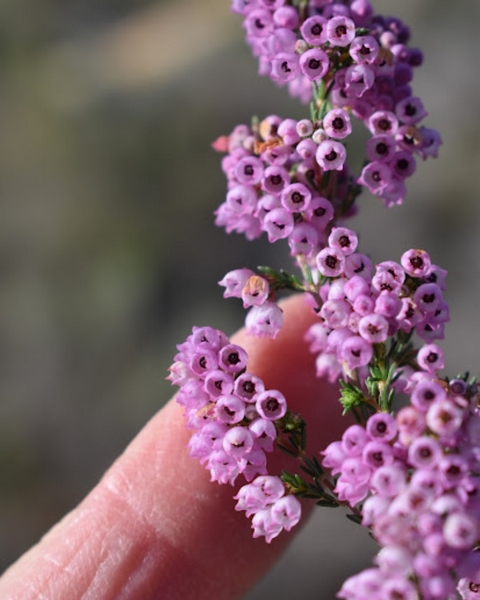
Active Land Management: Serious estates enforce active invasive species clearing, maintain fire-management protocols, and establish permanent, legally protected conservation zones.
Indigenous Planting Standards: Homeowners are expected to adhere to approved indigenous plant lists, creating water-wise gardens that actively support local pollinators and regional biodiversity.
Transparent Conservation Funding: Estates maintain clear financial models regarding whether conservation efforts are funded through homeowner levies or commercial operations.
A Longer View of Ownership
According to Streeter, owner of Benguela Cove Lagoon Wine Estate in Walker Bay, living on a working wine estate within a biosphere reserve offers a deeper sense of place. It invites owners to see themselves not merely as property holders, but as temporary stewards of a living ecosystem that preceded them and will endure long after them.
“The lifestyle is comfortable, the wine is good, the view is what it is, but the deeper reason is harder to articulate. It has to do with belonging to a piece of land that is itself something serious.”— Penny Streeter OBE.
Read the Full Article Online
To read Penny Streeter’s complete guide on estate conservation, fynbos fire cycles, and property selection in the Cape Floral Kingdom, visit the official feature at: benguelacove.co.za/blogs/news/living-with-fynbos