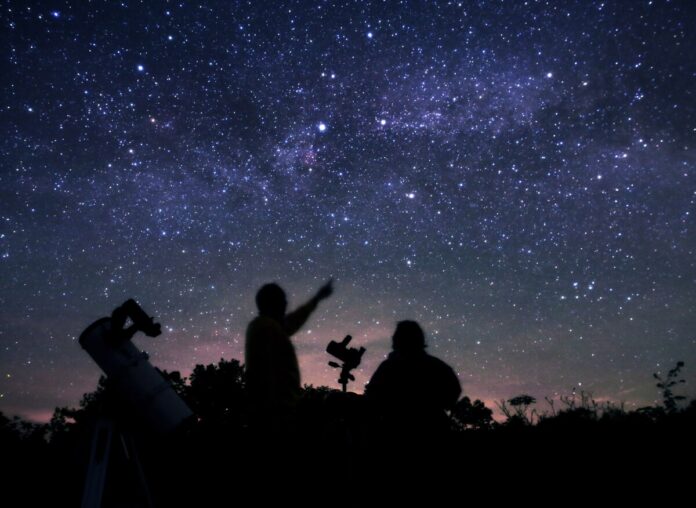
As the sun dips below the rugged horizon of the Cederberg and the first pinpricks of light pierce the darkening sky, a new kind of South African safari is beginning. It doesn’t involve the “Big Five” or the roar of an engine; instead, it offers the silent, breathtaking majesty of the cosmos.
The Western Cape has officially signaled its intent to become a global leader in “astro-tourism.” On April 17, 2026, the provincial Department of Economic Development and Tourism, in partnership with the Field Guides Association of Southern Africa (FGASA), celebrated the graduation of a specialist cohort of Astro Night Sky Tourist Guides. Hosted at the !Khwa ttu San Culture and Education Centre, the ceremony marked more than just a certificate handover—it marked the professionalization of the heavens.
A Shift from Sun to Stars
For decades, the Western Cape’s tourism brand has been built on the “sun, sea, and scenery” of the Atlantic seaboard and the lush Winelands. However, global travel trends are shifting. Modern travelers are increasingly seeking “transformative” experiences—trips that offer deep knowledge, authenticity, and a sense of wonder.
Minister of Agriculture, Economic Development and Tourism, Dr. Ivan Meyer, notes that the province is moving from a strategy of “volume to value.” By training guides to interpret the night sky, the province is tapping into a niche market that favors sustainability and slow travel. Astro-tourism encourages visitors to stay longer in rural areas, particularly in the Karoo and along the West Coast, where low light pollution creates some of the clearest viewing conditions on Earth.
The Art of Celestial Storytelling
The newly graduated guides are more than just amateur astronomers; they are the bridge between complex science and ancient culture. Their training involves a rigorous blend of astrophysics—understanding the mechanics of the Southern Cross and the Magellanic Clouds—and the rich tapestry of indigenous folklore.
At !Khwa ttu, the significance of this cultural link is palpable. For the San people, the stars were never just distant objects; they were integrated into the rhythm of life, navigation, and spiritual belief. A specialist guide can now walk a visitor through the Milky Way while weaving in the stories of the First People, turning a cold telescope viewing into a warm, deeply human experience.
Economic Radiance in Rural Towns
The economic implications are significant. In 2023, tourism contributed R28.6 billion to the provincial economy. By positioning the Western Cape as a “Dark Sky” destination, the government aims to bolster income in “off-peak” seasons. Winter, often avoided by beachgoers, offers the crispest, clearest nights for stargazing, providing a much-needed lifeline to guesthouses and restaurants in small Karoo towns.
As light pollution encroaches on the northern hemisphere, the preserved darkness of the South African interior is becoming a rare and precious commodity. These specialist guides are the new guardians of that darkness, ensuring that while the world gets brighter and louder, the Western Cape remains a place where one can still look up and feel the profound, quiet weight of the universe.