Climate change is rapidly reshaping Southern Africa’s landscapes, pushing iconic desert flora to their ecological limits and demanding urgent, practical solutions to save our biodiversity.
A Milestone for African Conservation
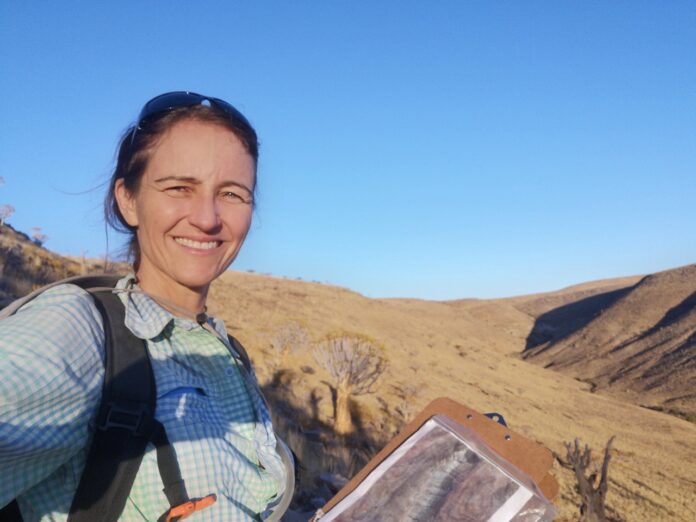
Professor Wendy Foden—a Specialist Scientist at SANParks, Extraordinary Professor at Stellenbosch University’s School for Climate Studies, and Chair of the International Union for Conservation of Nature (IUCN) Species Survival Commission’s Climate Change Specialist Group—has been awarded the inaugural Oppenheimer Research Chair in Conservation in a Changing Climate for a five-year term.
Established by the Benjamin Raymond Oppenheimer Trust (BROT) through Oppenheimer Generations Research and Conservation, the Oppenheimer Research Chairs accelerate critical research by supporting leading African researchers tackling some of the continent’s most pressing challenges. This appointment establishes a vital research hub dedicated to turning climate science into practical action.
While climate change discussions often focus on future predictions, this initiative tackles an urgent reality: traditional conservation practices developed under past climate conditions are becoming less effective. The Chair bridges the gap between understanding climate impacts and actively executing solutions that work on the ground.
Nature’s Extreme Laboratory
At the heart of this research is the breathtaking Richtersveld, a mountain desert in the Northern Cape famous for its stark beauty and extraordinary biodiversity. Facing severe heat and water stress, the region serves as a natural laboratory. What happens to ecosystems here offers a window into the challenges other regions across Africa will increasingly confront.
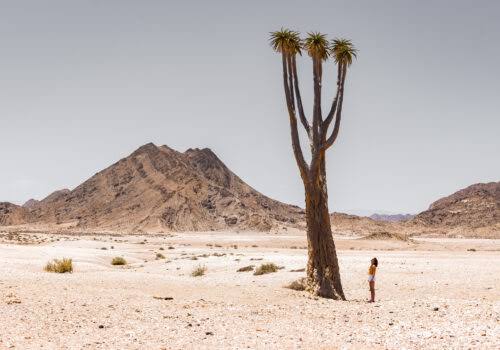
Professor Foden’s team will work with SANParks scientists and protected area managers to focus on charismatic desert species like the quiver tree (Aloidendron dichotomum) and halfmens (Pachypodium namaquanum), testing innovative interventions such as assisted translocation—moving vulnerable plant populations to more hospitable microclimates. By evaluating the safety, efficacy, and limitations of these bold steps, the project aims to safeguard species that form the backbone of South Africa’s wilderness heritage.
Why It Matters to Readers
Why It Matters
For lifestyle and nature enthusiasts, South Africa’s natural spaces are far more than a backdrop for weekend escapes; they are a vital part of our cultural identity and natural capital. Protecting these landscapes ensures that future generations can continue to experience the wonder of our unique biomes.
Moreover, this initiative puts local expertise on the global stage. Partnering with the University of Cambridge’s Conservation Evidence group, the research team will synthesize evidence on conservation measures worldwide, ensuring South African innovations help shape global conservation policy.
Bridging Science and Action
By uniting academic rigor from Stellenbosch University with practical field management from SANParks, the Chair ensures that research directly informs day-to-day park stewardship. It also invests in tomorrow’s leaders through postgraduate supervision and international knowledge exchange.
As Professor Foden notes, we urgently need stronger evidence to guide conservation in a changing climate, alongside the space to test new approaches. This award offers exactly that—a beacon of hope for preserving the wild beauty of Southern Africa.