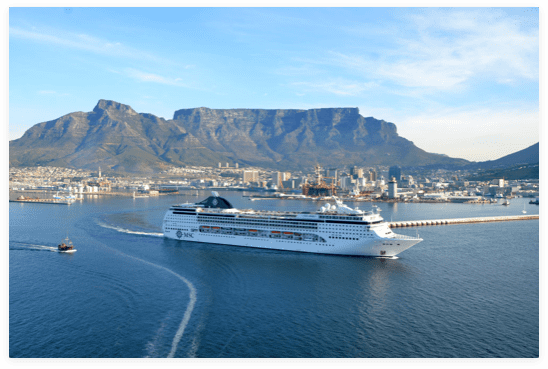
There are few nautical arrivals quite like docking in Cape Town. As ocean liners glide into Table Bay, passengers line the decks to take in the sheer scale of Table Mountain framing the city skyline. For global travellers, disembarking into the state-of-the-art V&A Waterfront terminal isn’t just an operational stopover—it’s an immediate invitation into world-class dining, luxury boutique shopping, and vibrant urban culture, all within walking distance of the gangway.
That passenger-first experience was reaffirmed when Transnet National Ports Authority (TNPA) announced that the Port of Cape Town had been crowned Africa’s Leading Cruise Port for 2026 at the World Travel Awards Africa Gala in Zanzibar. Marking its fourth consecutive win, the title cements the port’s standing as a premier destination for global cruise lines.
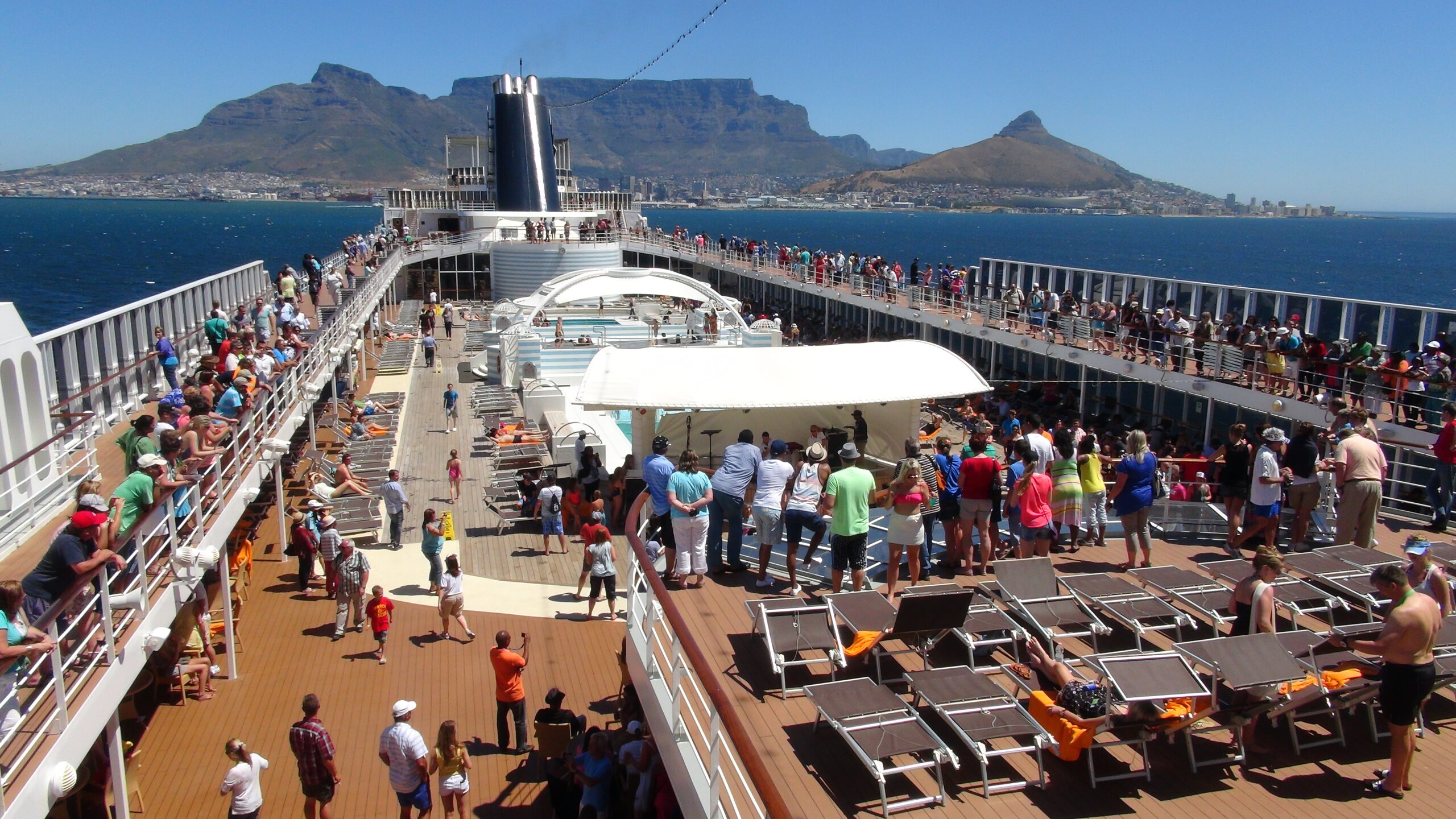
The Turnaround Phenomenon: From Stopover to Starting Line
Cape Town’s cruise story has evolved beyond short transit calls. The city has successfully shifted into a major turnaround port, serving as the official starting or finishing line for extended global itineraries.
When flagship ocean liners like Cunard’s Queen Mary 2 or residential ships like The World dock here, a significant portion of passengers disembark to stay locally, while new travelers arrive to board.
This transition drives a major economic boost:
- Boutique Stays & Winelands Trips: Rather than spending a few hours on a rushed city tour, turnaround travellers check into luxury hotels for multi-day pre- and post-cruise stays, exploring fine-dining establishments and the nearby Cape Winelands.
- Direct Local Spend: According to Wesgro’s Western Cape Cruise Liner Industry analysis, this influx of high-spending visitors pumps over R1.79 billion directly into the provincial economy, supporting more than 2,000 local jobs across hospitality, private transport, and cultural sectors.
The Multi-Port Ripple Effect Down the Coast
The success of Cape Town’s cruise terminal isn’t limited to the Mother City. Powered by the Cruise Cape Town initiative (led by Wesgro alongside TNPA, the V&A Waterfront, and municipal partners), the surge in maritime traffic is driving a broader multi-port strategy along South Africa’s southern coastline.
Smaller port towns like Mossel Bay, Saldanha Bay, and Hermanus are becoming integral stops on regional coastal routes. In Mossel Bay alone, cruise visitors disembark each season to explore local heritage sites, injecting spend directly into small tourism operators and local businesses.
As the Port of Cape Town continues to welcome luxury liners and world cruisers, it serves as more than just infrastructure—it remains the gateway to an expanding web of ocean tourism across the Western Cape.