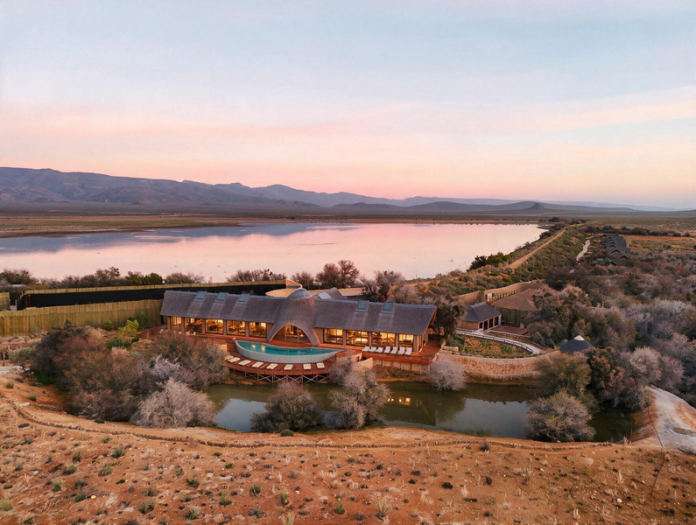
As September brings the vibrant spring blooms across the Western Cape, the province officially launches Tourism Month 2026—celebrating an industry that fuels local economies, preserves natural beauty, and connects diverse cultures. From the dramatic peaks of Table Mountain and the golden beaches of the Garden Route to the vast, open horizons of the Karoo, the region continues to stand as South Africa’s premier travel destination.
Beyond the Urban Footprint: A Strategic Shift
While iconic landmarks continue to draw international acclaim, the provincial travel landscape is undergoing a deliberate transformation. Tourism is no longer confined to city limits or traditional peak seasons; instead, momentum is expanding into rural towns, farming communities, and coastal hamlets. This strategic shift aims to spread the economic benefits of visitor spending beyond well-trodden corridors, creating year-round sustainability for small enterprises and regional municipalities.
At the same time, global travel preferences are evolving. Today’s travellers increasingly look past static sight-seeing in search of immersive, purpose-driven journeys that offer authentic cultural connection and active environmental stewardship. By opening up regional routes and elevating local storytellers, the Western Cape is positioning itself at the forefront of this movement—ensuring that the growing visitor economy directly supports regional livelihoods, safeguards heritage, and protects fragile ecosystems for future generations.
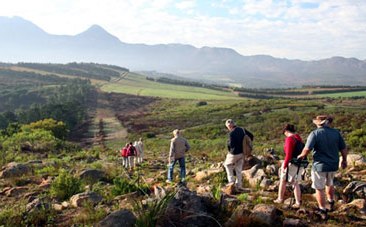
The Western Cape’s travel landscape offers visitors a rich mosaic of distinct experiences:
Regenerative Tourism: Community-led initiatives that leave destinations better than they were found, ensuring visitor spending directly enriches local livelihoods and restores natural environments. Agri-Tourism & Culinary Tourism: Farm-to-table dining, local produce tasting, and farm stays connecting travellers directly to rural harvests.
Eco-Tourism, Wildflower & Nature Travel: Biodiversity conservation travel across UNESCO World Heritage sites like the Cape Floral Kingdom, alongside seasonal wildflower viewings along the West Coast and Overberg.
Wine Tourism: World-renowned wine routes through Stellenbosch, Franschhoek, Paarl, and the Robertson Valley. Cultural & Heritage Tourism: Historic routes, Khoisan heritage, and living history hubs like Cape Town’s Bo-Kaap and Robben Island.
Wellness Tourism: Holistic retreats, thermal hot springs, nature immersion, and spa sanctuaries focused on physical and mental restoration. Adventure Tourism: Paragliding, mountain biking in the Cederberg, hiking trails, and shark cage diving.
Marine & Coastal Tourism: Whale watching along the Overberg coast (Hermanus), coastal road trips, and penguin colony visits at Boulders Beach. Astro-Tourism: Stargazing experiences blossoming across the clear, unpolluted skies of the Karoo and Cederberg. Business Tourism: A leading global hub for international trade expos, conferences, and corporate events.
Connecting Purpose to Place
As these diverse offerings demonstrate, the true strength of the Western Cape lies not just in the variety of its landscapes, but in its capacity to innovate how visitors experience them. The future of travel across the province rests on seamlessly weaving these distinct sectors—from wellness and gastronomy to adventure and heritage—into a unified, sustainable narrative.