Across the Western Cape, small rural communities face a daunting mix of pressures: severe winter storms, road-damaging flash floods, municipal maintenance backlogs, youth unemployment, shifting regional transport routes, and post-industrial economic decline. When key arterial routes like Meiringspoort suffer damage or infrastructure deteriorates, vehicle traffic chokes and small-town economies risk prolonged stagnation.
Yet, rather than waiting on slow-moving relief funds or distant government interventions, a powerful wave of community self-reliance is sweeping across these rural hubs. Driven by sheer economic survival, deep civic pride, and a refusal to let their villages wither, residents, business owners, and local artisans are stepping in to repair infrastructure, launch green micro-economies, and build long-term tourism anchors.
Active Grassroots Models Across the Province
- Barrydale (Civic Action & Infrastructure Maintenance): Faced with compounding municipal maintenance backlogs and road degradation, Barrydale residents formed active volunteer teams. Local business owners and residents routinely handle road and stormwater repairs, street cleaning, public park upkeep, and recycling—establishing Barrydale as a leading model of rural civic self-sufficiency.
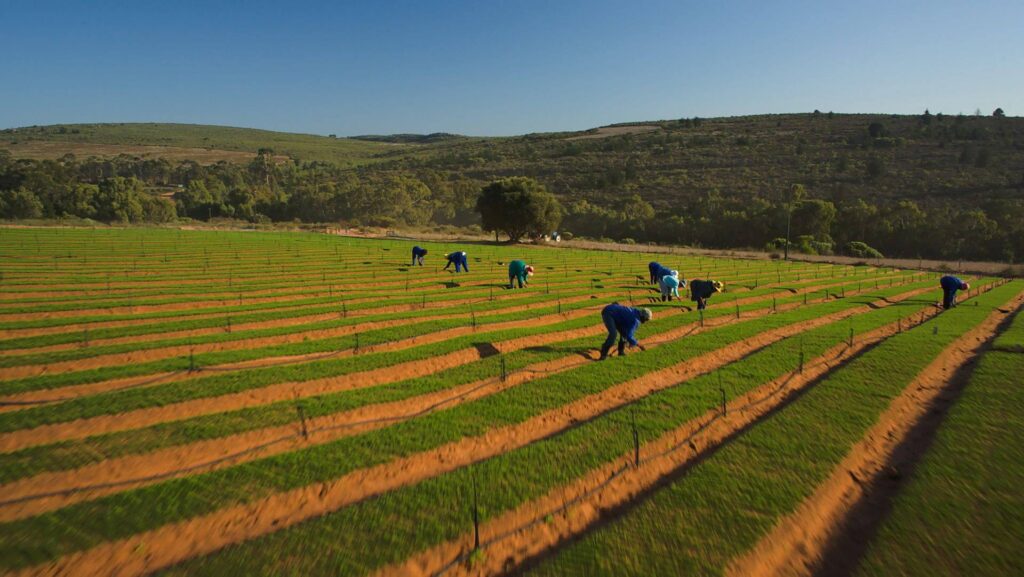
- De Rust (The Mal’va Community Project): Confronted by severe economic disruption after flash floods damaged the Meiringspoort pass, De Rust locals launched a town-wide initiative to plant over 5,000 native malva (geranium) cuttings along main streets and entrances. Backed by community volunteers and world-renowned landscape designer Leon Kluge, the project is actively transforming the village into South Africa’s “Geranium Capital” ahead of a planned National Malva Show in 2027.
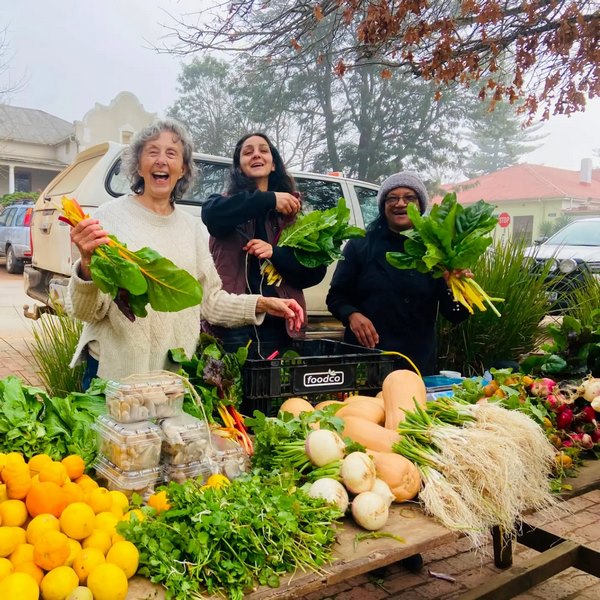
- Greyton (Greyton Transition Town & Eco-Swop Shops): Greyton & Genadendal (Pigs to Plants & Local Food Resilience): Building on its legacy as a sustainability pioneer, Greyton’s local eco-leaders actively run the “Pigs to Plants” initiative alongside the Greyton Farm Sanctuary. The project transforms former informal livestock areas into high-yield organic vegetable gardens, providing direct food security, running humane animal welfare education, and supplying local markets with fresh, community-grown produce.
- Prince Albert (Youth Culinary & Heritage Skills): With route disruptions temporarily affecting Central Karoo travel, the Prince Albert Community Trust (PACT) accelerated its local economic initiatives. Local school-leavers receive hands-on training in culinary arts, hospitality, and heritage tourism, connecting young residents directly to the town’s boutique travel trade.
- Montagu (Heritage Conservation & Eco-Trail Restoration): Addressing localized high-water damage and long-term public space upkeep, local business owners, environmental guides, and volunteers stepped up to maintain walking trails, maintain historic botanical gardens, and run community tourism routes. Their hands-on work keeps Montagu’s active outdoor and wellness economy thriving.
- Touws River (Urban Farming & Renewable Micro-Grids): A former railway junction hit hard by economic shifts and youth unemployment, Touws River’s community trusts and youth groups joined forces to pioneer local food gardens and solar training projects—building self-reliance through local energy and food security.
- Clanwilliam (Community Rooibos Agri-Tourism): Smallholders, indigenous tea harvesters, and town residents banded together to build community-run eco-tours and tea-tasting rooms, ensuring that tourism rands stay directly within local harvesting families rather than leaving the district.
The Common Thread: Local Ownership
From the Overberg to the Klein Karoo, Cederberg, and Central Karoo, these operational initiatives prove that rural economic resilience isn’t handed down from above—it is built, planted, and sustained directly by the hands of the people who live there.