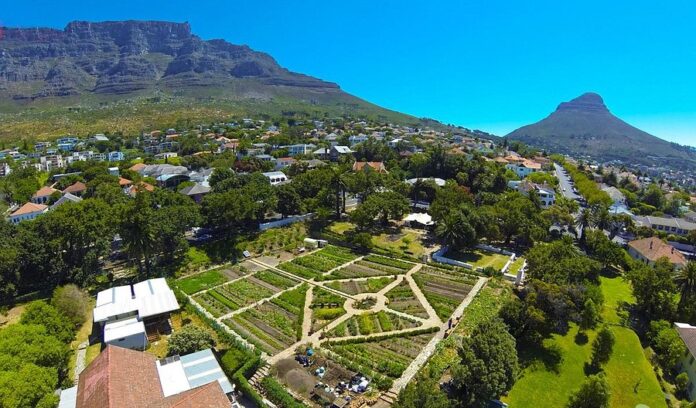
Behind the picturesque restaurant menus and bustling supermarket aisles of Cape Town lies an uncomfortable truth: our urban food system is incredibly vulnerable. While latest data shows domestic consumer food inflation has temporarily slowed to a welcoming 14-month low of 2.8%, a shadow looms over our kitchens. South Africa is reeling from an unprecedented fuel shock, highlighted by a staggering 35.4% spike in diesel prices, followed by an additional R6.19 per litre hike.
Because commercial industrial farming and distribution rely entirely on long-distance trucking, economists warn that these eye-watering transport costs will inevitably trickle down to drive food prices higher.
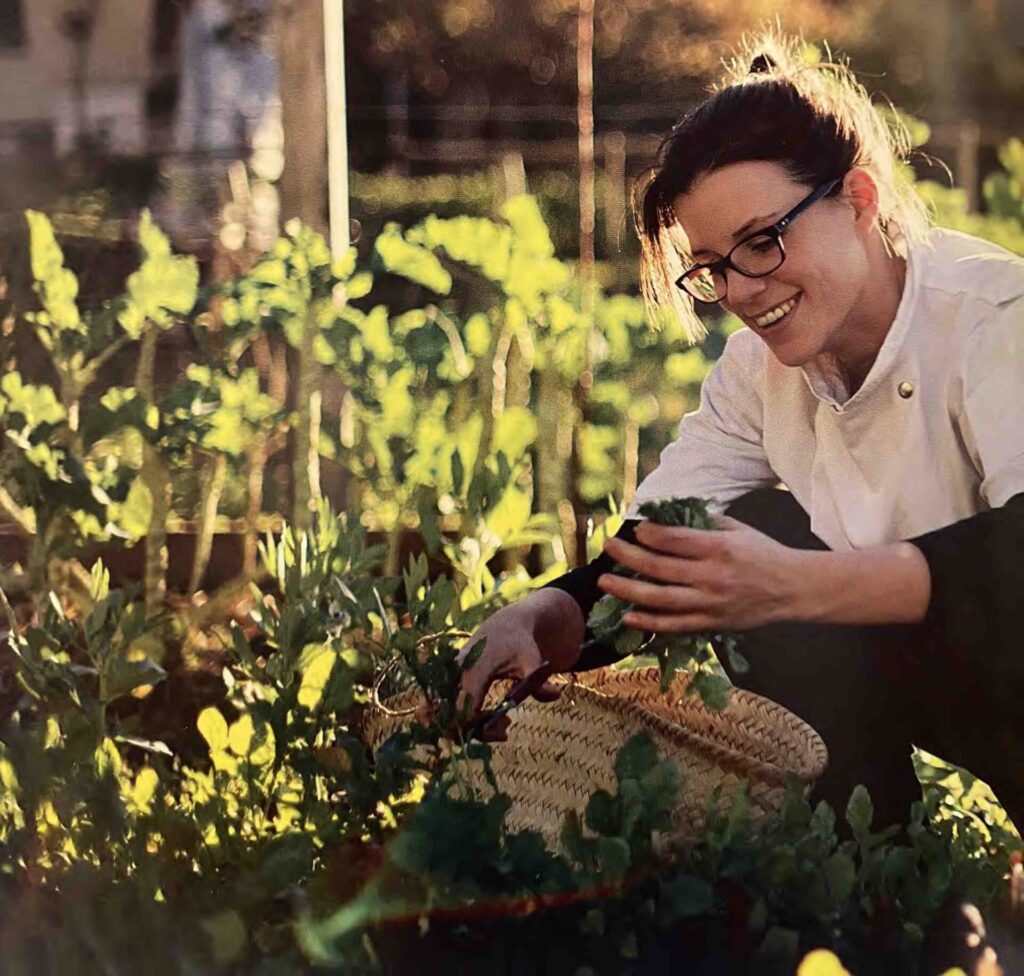
But right on the slopes of Table Mountain, a vibrant community hub is proving that we don’t have to be passive victims of a fragile global supply chain.
The Oranjezicht City Farm (OZCF) recently completed its fifth annual organic farming certification. Far from a routine bureaucratic milestone, this achievement offers a brilliant blueprint for how cities can reclaim control over both their nutrition and their wallets during a macroeconomic squeeze.
Bypassing the Fragile Supply Chain
When your food has to travel hundreds of kilometres from distant industrial farmlands to reach city shelves, consumers absorb the hidden costs of transport, middleman markups, and carbon emissions.
OZCF completely dismantles this reliance on fossil fuels by pioneering a hyper-local, “zero-kilometre” model. By managing its distribution directly through a neighbourhood WhatsApp ordering group, the farm connects local residents directly to the dirt their food was grown in. When food travels meters instead of kilometres, soaring fuel costs lose their power over grocery bills.
Clean Food in Tough Times
As living costs bite, the old narrative that healthy, chemical-free food is an expensive luxury meant only for high-income earners is becoming a dangerous barrier to public health.
This is where the true significance of OZCF’s milestone shines. Instead of paying thousands of Rands to corporate, third-party organic inspectors—a massive operational expense that would inevitably be passed down to the consumer—the farm utilizes the Participatory Guarantee Systems (PGS). The PGS is a peer-driven network where local farmers from Hout Bay, Mitchell’s Plain, and Philippi gather alongside everyday consumers to evaluate, mentor, and certify one another. This trust-based system keeps organic food affordable, stable, and accessible to communities that need it most.
Defeating Scarcity with a Circular Economy
To weather a combined fuel and food crisis, an urban farm must be entirely self-reliant. OZCF achieves this by turning city waste into agricultural gold, completely insulating itself from the rising costs of commercial, petroleum-based fertilizers.
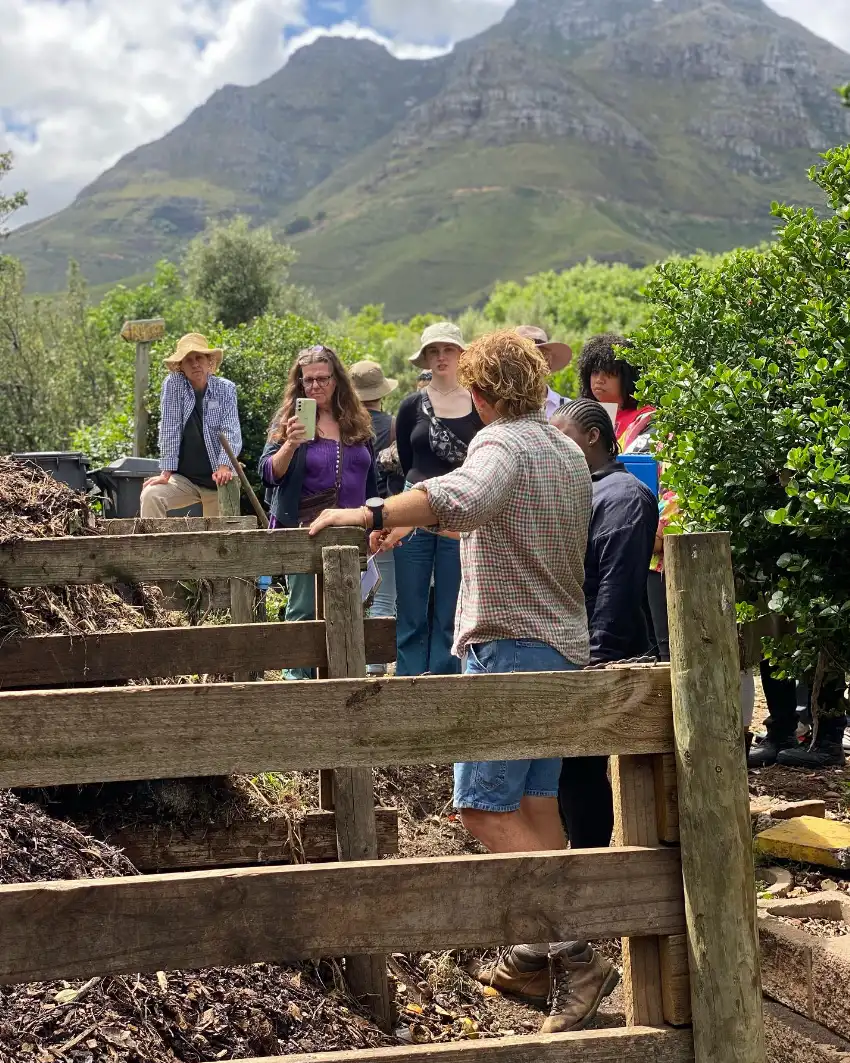
Instead of buying chemical supplements, the farm creates nutrient-rich compost in just 21 days by combining donated wood chips with kitchen scraps dropped off by local residents via an indoor “bokashi” composting system. Every household dropping off their fermented food scraps is actively shielding their community from rising food insecurity.
Cultivating a Resilient Future
The current intersection of fuel inflation and food insecurity is a loud wake-up call. Through community allotments, school education plots, and peer-to-peer farming networks, Oranjezicht City Farm is doing much more than harvesting vegetables. They are growing a blueprint for urban survival, proving that the ultimate shield against global crises starts right in our own neighbourhoods.