It is a fascinating truth of our modern world that everything is interconnected. Yet, few could have predicted that geopolitical tensions and ongoing conflict in the Middle East would directly cause a sudden disruption at a frozen research outpost thousands of kilometres away in the Southern Ocean.
This is the unusual reality facing South Africa’s sub-Antarctic Marion Island base. Following critical delays in specialized fuel shipments, the Minister of Forestry, Fisheries and the Environment, Willie Aucamp, ordered the urgent extraction of the island’s entire overwintering research team. For a nation proud of its wild frontiers, it marks a sudden, unexpected pause in a remarkable human adventure.
A 75-Year Scientific Legacy Interrupted
Marion Island is a crown jewel in South Africa’s environmental heritage. Formally annexed in 1948, the territory has been continuously occupied by rotating teams of brave South African researchers for over 75 years.
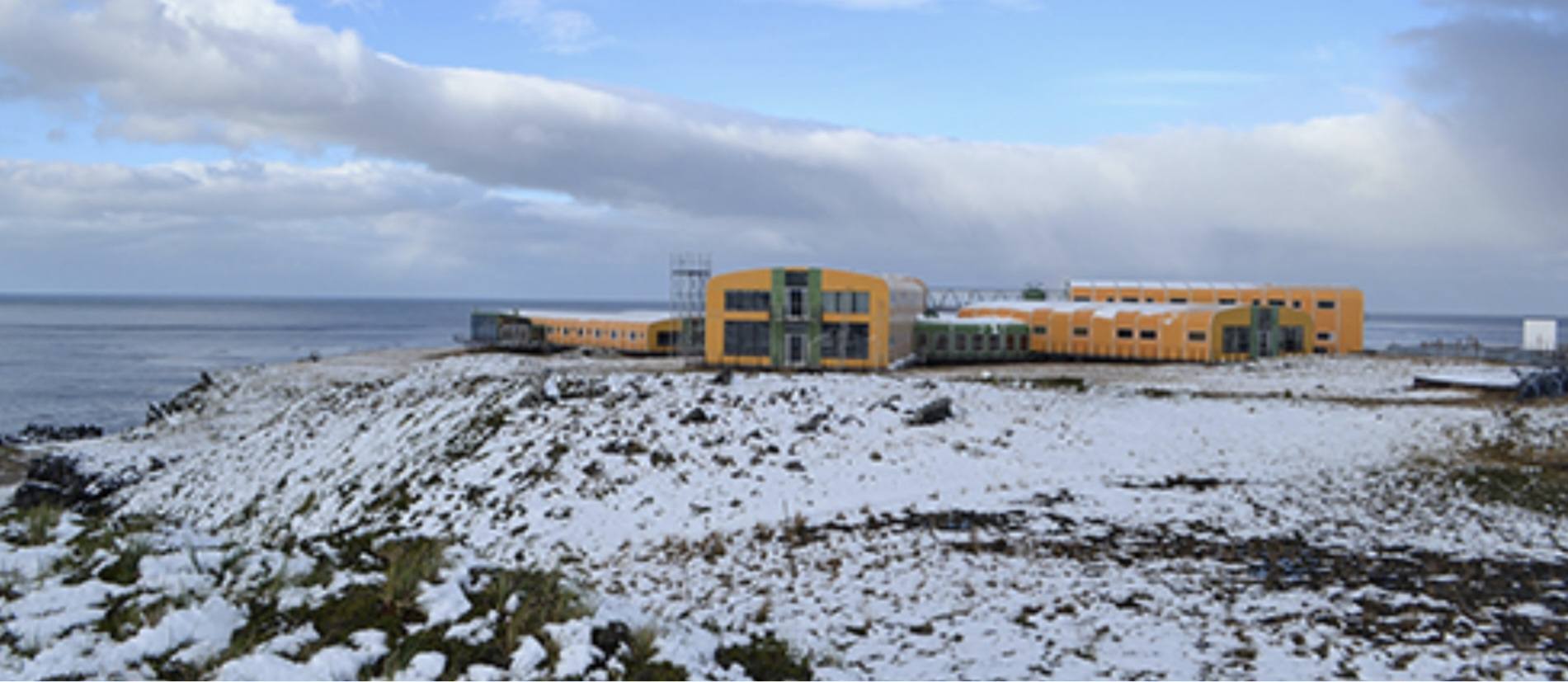
Isolated since April 2025, the current 20-person team—made up of meteorologists, marine biologists, technicians, and engineers—was fully prepared to brave the brutal sub-Antarctic winter. However, running a modern facility in sub-zero conditions requires “Polar Diesel,” a highly specialized fuel blended with unique additives to prevent it from freezing and crystallizing. When global supply chain disruptions delayed the local manufacturing of these additives, the base’s clock began ticking down to a May 20 fuel deadline. Rather than risk his team facing winter without guaranteed heating and power, Minister Aucamp prioritized safety, noting that the well-being of the personnel always comes first.
Why Our Frozen Frontiers Matter
To the casual observer, a remote volcanic island populated by wandering albatrosses and elephant seals might seem entirely disconnected from daily life. In truth, the work done on Marion Island shapes our everyday world.
The island stands on the absolute frontline of global climate change, warming faster than almost anywhere else on Earth. By tracking the ecosystem here, these scientists provide a vital preview of how climate patterns will alter back on the mainland. Furthermore, the live atmospheric data they harvest from the tumultuous roaring forties is fed directly into international meteorological systems, keeping global aviation and maritime travel safe.
The Plan Forward and the August Reset
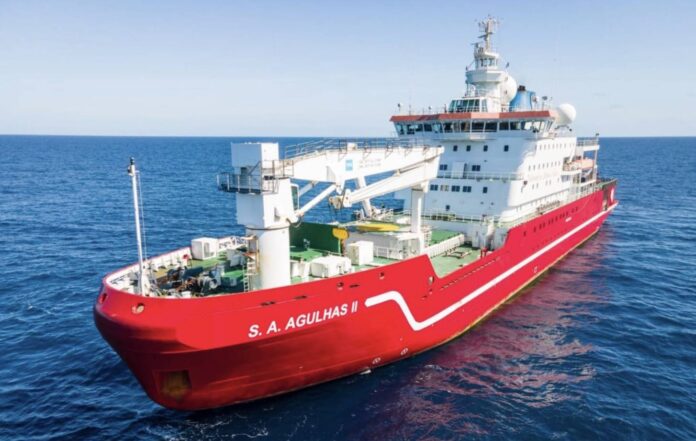
The iconic icebreaker SA Agulhas II successfully battled the rough southern seas, departing Cape Town on May 14 and arriving at Marion Island on Monday, May 18, to manage the extraction.
Over a delicate three-to-five-day window, onboard helicopters are airlifting the researchers, their personal gear, and invaluable scientific data off the island. The team is expected to return safely to Cape Town around 28 May, where Minister Aucamp will personally debrief them.
Before the final doors are locked, the crew will carefully winterize and seal the base to protect it from impending winter storms. While automated systems will keep sending basic weather data back home, the human heartbeat of the island will temporarily go quiet. But this is just a brief pause. Plans are already in motion for an August 2026 return voyage to restock the base with fresh fuel and deploy a new team—officially restarting South Africa’s historic 75-year legacy of discovery.