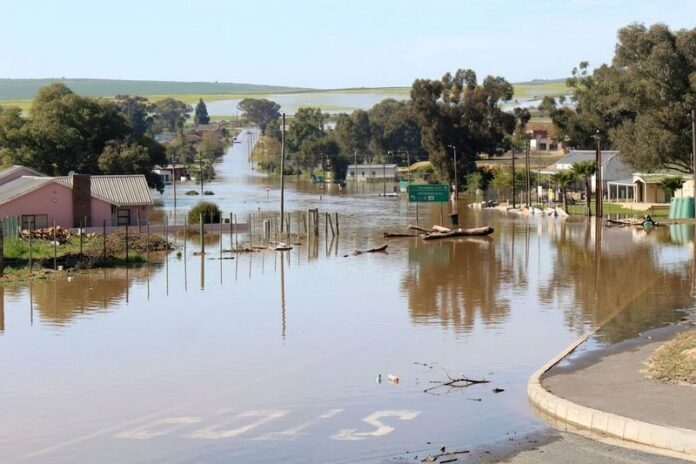
The Western Cape is currently facing a formidable test of its resilience. Following a series of relentless weather systems that have lashed the province, the Western Cape Government Cabinet and the Premier’s Coordinating Forum (PCF) convened in an emergency session last night. Their mission is clear: ensure a seamless, coordinated response to protect citizens and restore infrastructure as the province remains under a state of high alert.
A Unified Front Against the Elements
The PCF, an intergovernmental body designed to bridge the gap between provincial leadership and local municipalities, has proven vital during this crisis. With the Provincial Disaster Management Centre (PDMC) and all Joint Operating Centres (JOCs) activated 24/7, officials are working around the clock to mitigate the chaos caused by heavy rainfall, gale-force winds, and rough seas.
From the West Coast to the Garden Route, the damage has been widespread. Fallen trees, localized flooding, and significant electricity outages have been reported across the Overberg, Cape Winelands, and the City of Cape Town metropole.
Tragic Toll and Safety Warnings
Despite the tireless efforts of emergency responders, the severity of the weather has claimed lives. Acting Premier Dr. Ivan Meyer expressed deep sorrow as the cabinet extended condolences to the families of three individuals who tragically passed away due to the inclement conditions.
“Emergency and disaster teams work as hard as possible to avoid loss of life,” Dr. Meyer stated. “The fact that three residents died is deeply tragic and an indication of just how severe these weather systems have been.”
In light of these risks, the government has taken the precautionary step of closing all schools in the province today, 12 May 2026. The safety of learners and staff remains a “non-negotiable” priority as the Western Cape Education Department monitors the situation for a safe reopening.
Navigating Road Closures and Infrastructure
Travel across the province has been severely hindered. Major routes, including the N1 at Worcester and several mountain passes along the escarpment, remain closed. Authorities are strongly advising those traveling toward Cape Town to seek alternative routes and strictly adhere to road closure notices.
Simultaneously, Eskom and municipal teams are battling to restore power in numerous regions. While technical teams work under grueling conditions, the Cabinet has also issued a stern condemnation of cable theft reported in some areas, which further hampers restoration efforts during an already critical period.
Looking Ahead: Resilience in Action
The classification of this weather event as a provincial disaster has been welcomed by leadership, allowing for a more streamlined flow of resources. Minister of Local Government, Environmental Affairs, and Development Planning noted that the years spent building a robust disaster management network are paying off, even under such extreme pressure.
What you can do:
Stay Informed: Monitor the official Western Cape Government website for real-time updates.
Exercise Caution: Avoid flooded roads and stay indoors where possible.
Follow Reliable Sources: Ignore “fake news” and rely on official provincial communication channels.
As the storms continue, the message from the provincial government is one of gratitude for the first responders and a plea for vigilance from every resident. Together, through coordination and caution, the Western Cape looks to weather the storm.