The Western Cape has taken a major step forward in conservation, adding 24 new nature reserves to its Protected Area network. Together, these areas protect more than 81 715 hectares of ecologically significant land, reinforcing the province’s commitment to preserving its natural heritage for future generations.
Declared between April 2025 and March 2026, the reserves represent one of the most significant conservation expansions in the region in recent years, highlighting a growing focus on protecting landscapes that shape both the environment and everyday life.
A Diverse Landscape Worth Protecting
The new reserves stretch across some of the province’s most iconic regions, including the Cederberg, Agulhas Plain, Little Karoo and Garden Route. These areas range from small privately owned properties to vast mountain and lowland ecosystems, protecting a wide variety of vegetation types and species unique to the region.
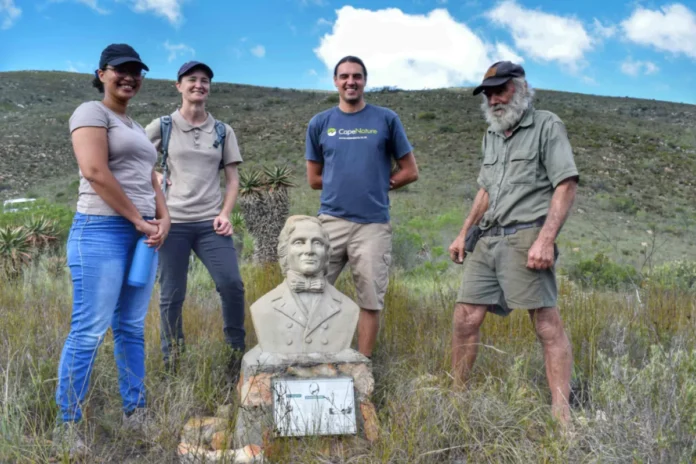
At the centre of this effort is the CapeNature Biodiversity Stewardship Programme, which allows landowners to voluntarily declare their land as protected. This collaboration between private individuals and conservation authorities has played a key role in expanding the province’s protected areas.
Why It Matters
The Western Cape forms part of the Cape Floristic Region, one of just 36 recognised global biodiversity hotspots. These regions contain exceptional plant and animal life but are also among the most threatened ecosystems on Earth.
Protecting these environments is not only about conserving nature—it also supports tourism, agriculture and local livelihoods. Healthy ecosystems contribute to water security, climate resilience and long-term economic stability.
As Anton Bredell, Provincial Minister of Local Government, Environmental Affairs and Development Planning, has emphasised, these declarations contribute to long-term environmental commitments. They also align with the global “30×30” goal, which aims to protect 30% of the planet’s land and oceans by 2030.
People Powering Conservation
A defining feature of this initiative is the role of private landowners. Many of the newly declared reserves are privately owned, demonstrating how individual action can contribute to large-scale environmental protection.
Ashley Naidoo, CEO of CapeNature, has highlighted the importance of these partnerships. By working together, landowners, conservation agencies and government are ensuring that critical natural areas receive formal protection.
In addition, existing reserves such as Anysberg and Knersvlakte have been expanded, strengthening conservation efforts and improving ecological connectivity across the province.
A Lifestyle Rooted in Nature
For residents and visitors alike, this expansion reinforces the Western Cape’s reputation as a destination where lifestyle and nature go hand in hand. Protected areas offer opportunities for hiking, eco-tourism and exploring the region’s unique fynbos landscapes.
Access to some reserves will depend on land-use and conservation requirements, particularly where properties remain privately managed.
Looking Ahead
The addition of these reserves is about more than increasing protected land—it is about securing a future where people and nature can thrive together. With continued collaboration between landowners, organisations and government, the Western Cape is setting a strong example of how local action can contribute to global environmental goals.