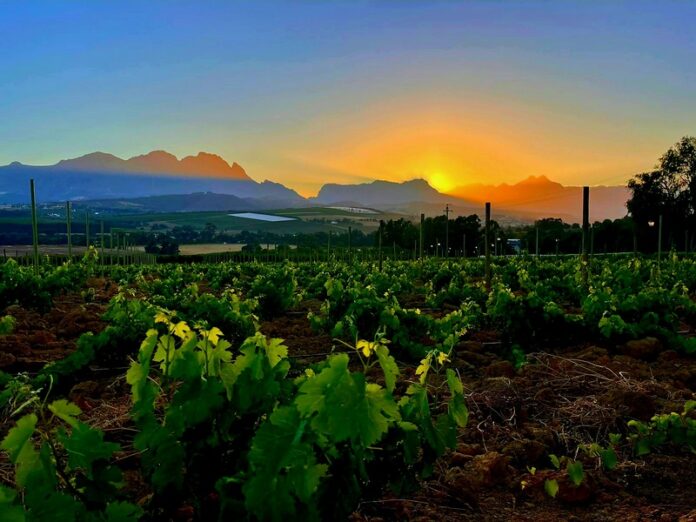
As the first crates of Sauvignon Blanc arrive at the Kanu Wines cellar on the R304 near Koelenhof in the third week of January, they carry more than just fruit; they carry 38 years of history. The handwritten caption on the bins—Sauv Blanc, 38-jarige bosstokke—signals that this is no ordinary harvest. These “bosstokke” (bush vines) represent a high-stakes movement in South African viticulture: the Old Vine Project (OVP).
The 35-Year Milestone
In South Africa, a vine is not officially “Old” until it reaches 35 years. This is the threshold for the Certified Heritage Vineyard seal—a world-first certification that has become the gold standard for the 2026 premium market. At 38 years old, these Sauvignon Blanc vines are certified archives of the Stellenbosch climate. Unlike younger vines supported by trellising and irrigation, these gnarled bush vines grow as self-supporting structures. Their roots have spent decades burrowing deep into the soils of the Bottelary Hills, accessing minerals and water sources younger vines cannot reach.
Johan Grimbeek and a 49-Year Legacy
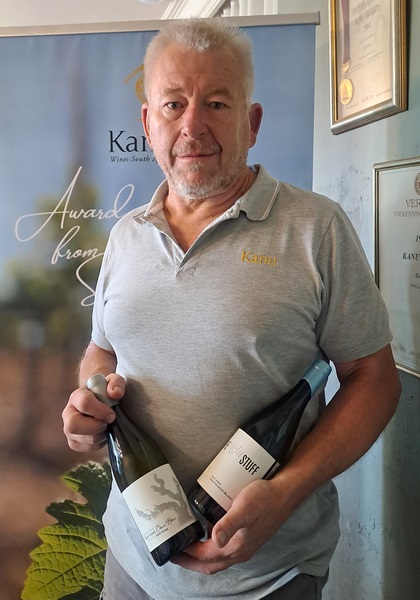
At the centre of this harvest is Kanu winemaker Johan Grimbeek. While the 38-year-old Sauvignon Blanc is the star of the third-week intake, Johan also stewards some of the estate’s most prestigious living monuments, including a remarkable 49-year-old Chenin Blanc.
Holding a bottle of a 49-year-old Chenin Blanc alongside a 35-year-old Sauvignon Blanc, Johan represents the bridge between traditional bosstok resilience and modern winemaking excellence. For him, these older vines are not just about age, but about flavour concentration and a sense of place that cannot be manufactured.
Quality over Quantity
The 2026 season presents a striking contrast within South Africa’s fruit industry. While the table grape sector is managing a 19% surge in volume to meet global demand, the Old Vine sector is moving in the opposite direction. Farmers are intentionally protecting lower-yielding old blocks rather than replacing them with high-volume, modern trellised systems.
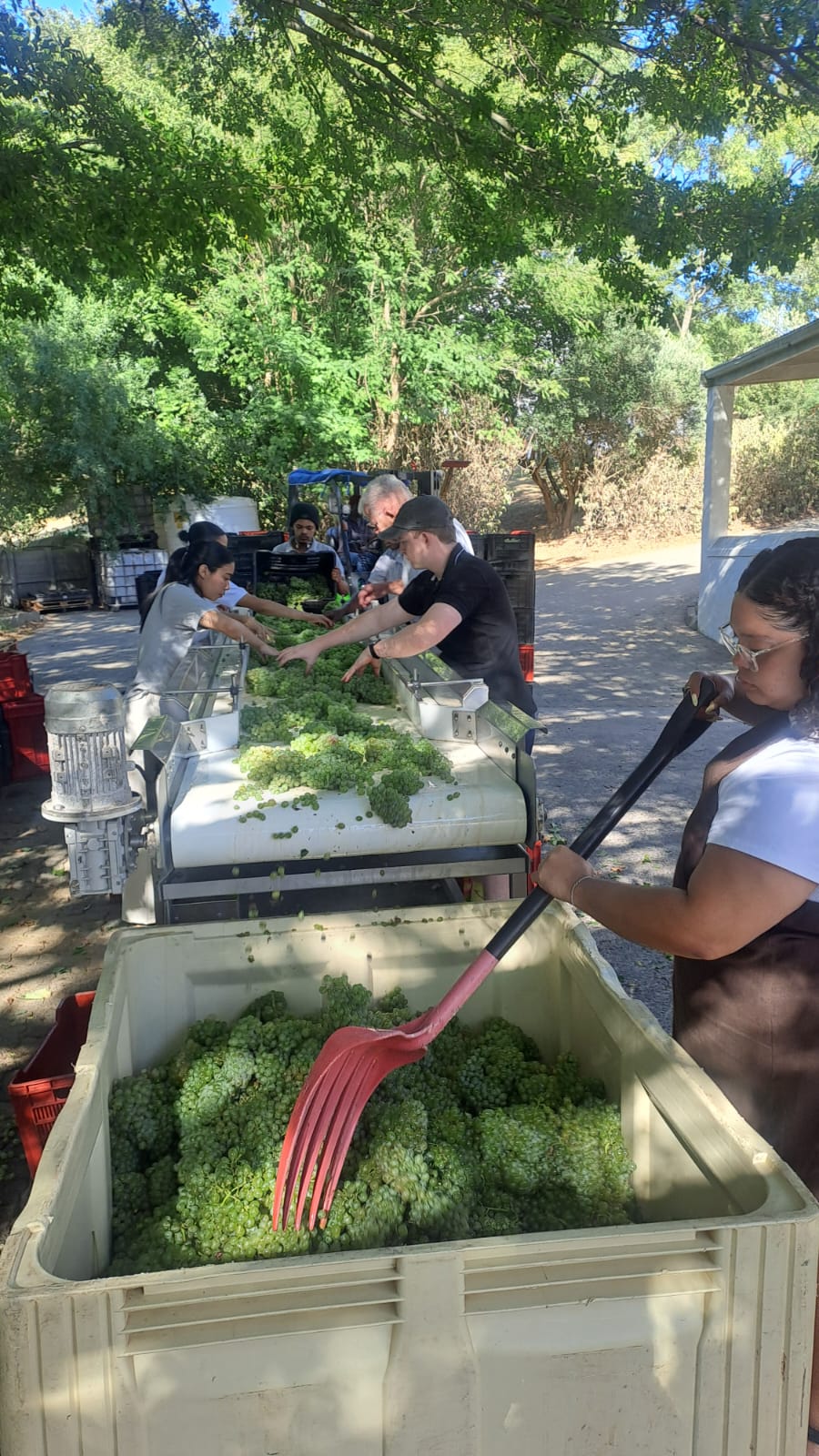
This quality-over-quantity approach responds to a global consumer base increasingly obsessed with terroir. Table grapes are bred for size, appearance, and moderate sugar levels (17–19% Brix). Old vine grapes, by contrast, are powerhouses. These 38-year-old vines produce smaller, more concentrated berries with sugar levels of 24–26% Brix. This concentration fuels fermentation and delivers the body and complexity that define the Cape’s premium white wines.
The 2026 Outlook
Following a 2025 season marked by optimal rainfall and strong winter chill units, the 2026 harvest is entering the cellar with exceptional purity. In the Bottelary Hills, cooling maritime breezes allow Sauvignon Blanc grapes to retain crisp acidity even as sugars peak.
Expect a Sauvignon Blanc that balances freshness and depth: tropical notes of gooseberry and guava, anchored by a savoury mineral structure that only vine age can provide.
Preservation as a Power Move
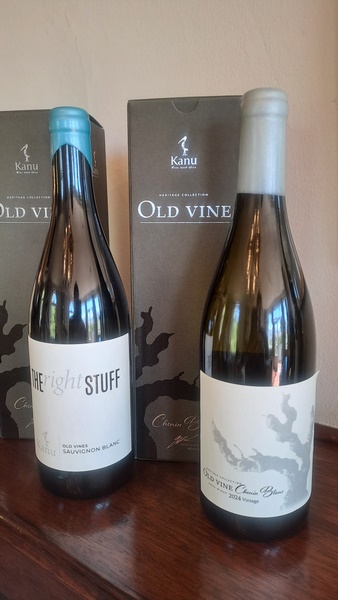
The “Plant to Grow Old” movement is about more than taste; it is about preservation. For decades, older, less productive vines were the first to be uprooted. Today, the OVP offers a sustainable alternative, encouraging farms like Kanu to keep these living monuments in the ground. A bottle bearing the Heritage seal supports South Africa’s agricultural identity. As these 38-year-old bosstokke begin their transformation in the cellar, they are not just surviving the 2026 season—they are defining it.