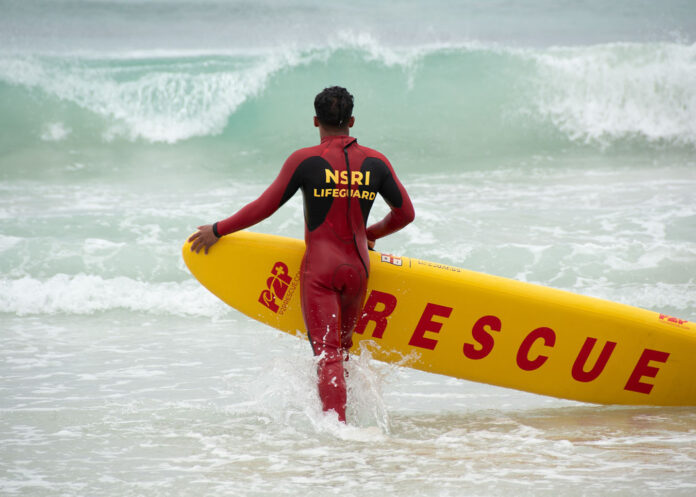
As the summer school holidays start, the National Sea Rescue Institute (NSRI) would like to take this opportunity to wish everybody a safe and joyful festive season. We hope that everyone enjoys time with loved ones, takes the opportunity to recharge, and steps into the New Year refreshed.
At the same time, we strongly encourage people to prioritise safety, especially in and around water.
Over the past three weeks, NSRI rescue crews have seen a notable increase in emergency responses, many involving families and children on holiday at beaches, rivers, dams, and swimming pools.
“Public vigilance, lifeguard services, and community collaboration continue to save lives every day,” says Andrew Ingram, NSRI Communications Manager.
“Pink Rescue Buoys have now been used in 230 rescues that we know of, with the most recent rescue where a Pink Buoy was used being for a father and his daughter at Brenton-On-Sea near Knysna. The impact of Public Rescue Equipment and emergency flotation cannot be overstated.”
Recent Stats at a Glance:
- NSRI volunteers have responded to 13 drownings in progress in the past three weeks. Tragically, 7 of these were fatal drownings. This does not include incidents that the NSRI was not called-out to.
- A combination of NSRI volunteers, NSRI lifeguards, and members of the public has saved twenty-five lives over this period.
- 5 people have been rescued using Pink Rescue Buoys.
- Widespread use of the Free NSRI SafeTrx App and positive, proactive public involvement have all saved lives.
This holiday season, the NSRI encourages everyone, families, and communities to help prevent tragedies by staying informed and prepared.
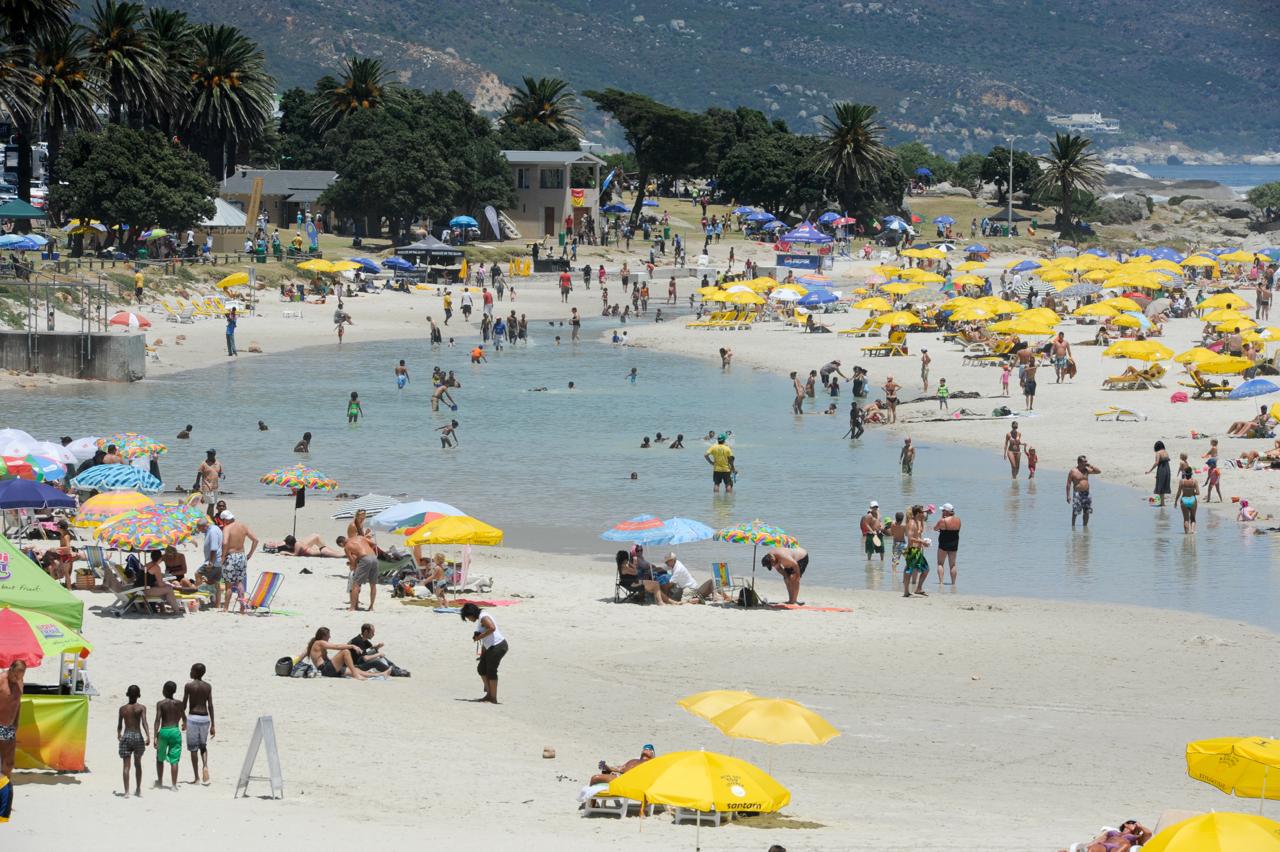
NSRI’s Top 5 Holiday Water Safety Tips
1. Avoid alcohol when swimming or boating
Alcohol impairs judgment and may put your life at significant risk if you swim after drinking alcohol. When drinking alcohol, ask another responsible adult to supervise children in or near water. The same rules that apply to drinking and driving also apply to water.
2. Always supervise children
Drowning is silent. There is often no splash or cry for help. Keep young children within arm’s reach and never take your eyes off them near water. Do not be distracted by your phone.
3. Swim where lifeguards are present
Choose to visit a beach where lifeguards are on duty and swim between the lifeguard flags. Most beachgoers can’t identify rip currents. Lifeguards can. If you’re caught in a current, float, wave for help, and swim sideways out of the current before heading back to shore.
If someone else is in danger in the water:
- Call for help.
- Give them something that floats (such as a Pink Rescue Buoy).
- Only attempt a rescue if you have flotation and are confident in your ability. Even strong swimmers should not enter the water to attempt a rescue without something that floats.
- Save emergency numbers
- Call 112 from any cell phone (a free call which connects to all emergency services).
- NSRI Emergency Operations Centre: 087 094 9774. One call can activate any Sea Rescue station nationwide.
- Save these numbers before your holiday starts. If you don’t have them in an emergency, Google “NSRI emergency number” in a crisis.
- Take extra care during summer rain and flooding
- Never try to cross fast-flowing rivers on foot or in a vehicle.
- Don’t enter the water to assist someone without flotation.
- In flood situations, call for help and stay safe. Don’t become a second victim.
For more safety information or to support the NSRI, visit www.nsri.org.za.